Navigating the Complicated World of Ethical Plus-Size Fashion
It has become abundantly clear that the ways we consume and produce fashion need to change. From exploited labour to design theft, “fast fashion” comes with a slew of ethical quandaries that support corrupt and dangerous systems. In response, we’ve seen a surge in ethical brands and sustainable fashion influencers entering the sphere, but as a plus-size woman, I have felt left behind.
Last week, Refinery29 published an article about how difficult it is for plus-size people to access to ethical clothing:
“We all know that sustainable fashion has a class issue, but for the plus-size shopper, it's a problem compounded even more so by the fact that eco-conscious clothing doesn’t come in a size fat.”
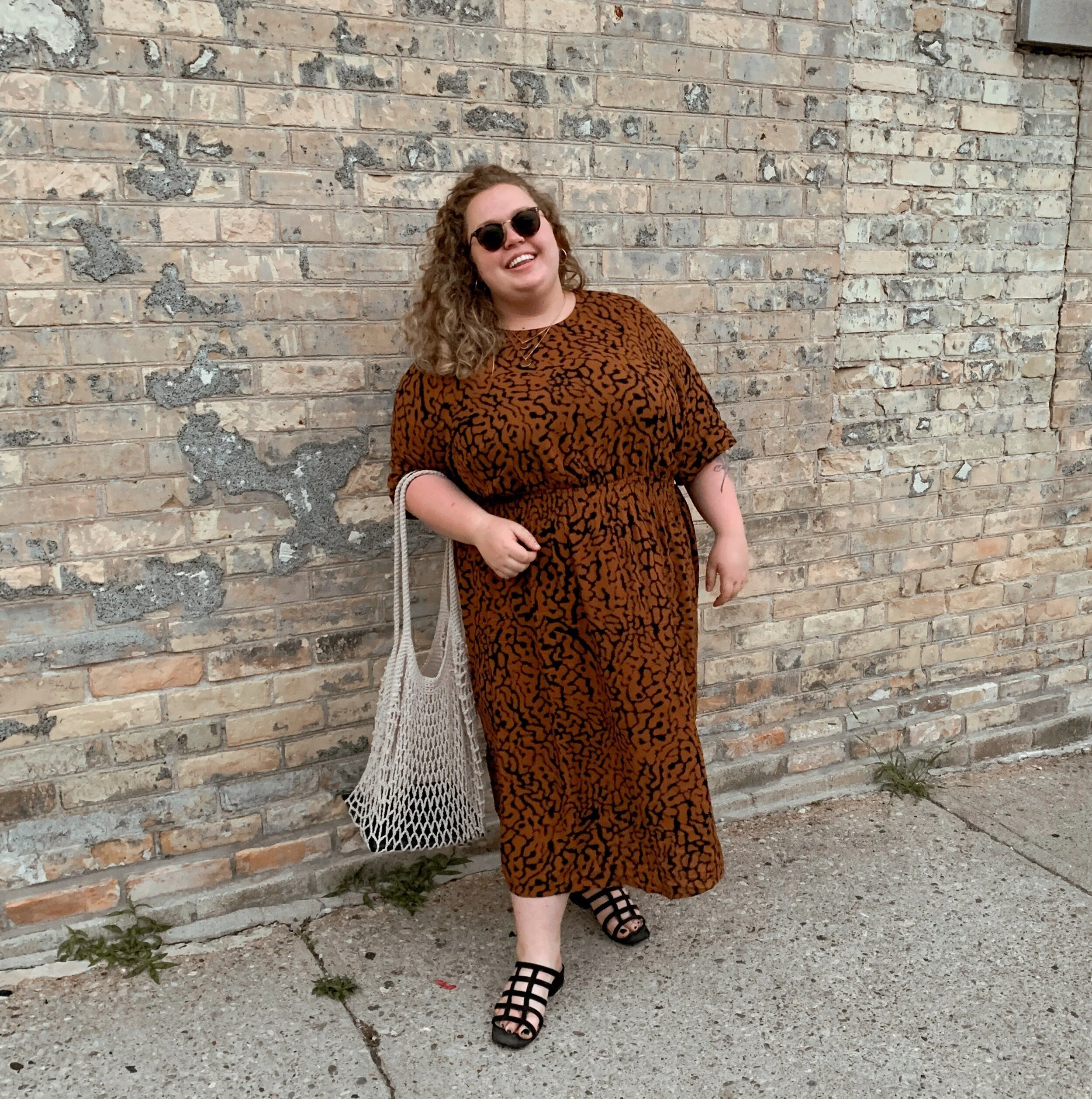
While the piece addresses some of the concerns I’ve had, it also prompted discussion on the topic that compelled me to share some of the complicated feelings I’ve had about my (lack of) relationship with ethical fashion.
It’s true that conscious clothing most often doesn’t come in a size fat, but to me that concern is just the tip of the iceberg. As someone deeply immersed in the world of plus-size fashion, I have access to plenty of creators who share ethical brands (including some in Canada). While a fraction of ethical brands offer plus clothing, and an even smaller fraction of those come in my size (a 24 or 26, depending on the fabric and fit), there are still options out there for me. That doesn’t make these limitations any less important, but they have not been my personal roadblocks.
Ethical clothing has a tradition of coming with a much higher price tag than fast fashion, and for obvious reasons. When you stop mass-producing clothing and pay staff a fair wage, the increase in cost has to be reflected somewhere. The thought behind sustainable fashion is that you should invest in your wardrobe, purchasing select pieces at a higher price rather than a large wardrobe filled with low-cost items.
And there is the rub. Up until recently, I have not been in a position to invest in more expensive clothing. Saving up to buy a sweater has not been an option for me, particularly when I needed several winter items sooner, rather than later. Layer on top of that the fact that fat people often make less than their thinner counterparts, and you can see how a hurdle becomes a mountain.
This expense becomes an even larger issue when it comes to changing bodies. While many people don’t experience significant fluctuations in their size from year to year, I, and many other plus-size shoppers, are used to considerable changes within a much shorter period of time. These changes can be attributed to many factors unique to each person, but might include histories of disordered eating, societal pressures, mental health, hormonal imbalances, chronic illness, or just… life. I don’t feel comfortable spending 5x the price on an item of clothing that may not fit me in a few months. The concept of an investment wardrobe is founded on an unchanging body, a reality I have never known.
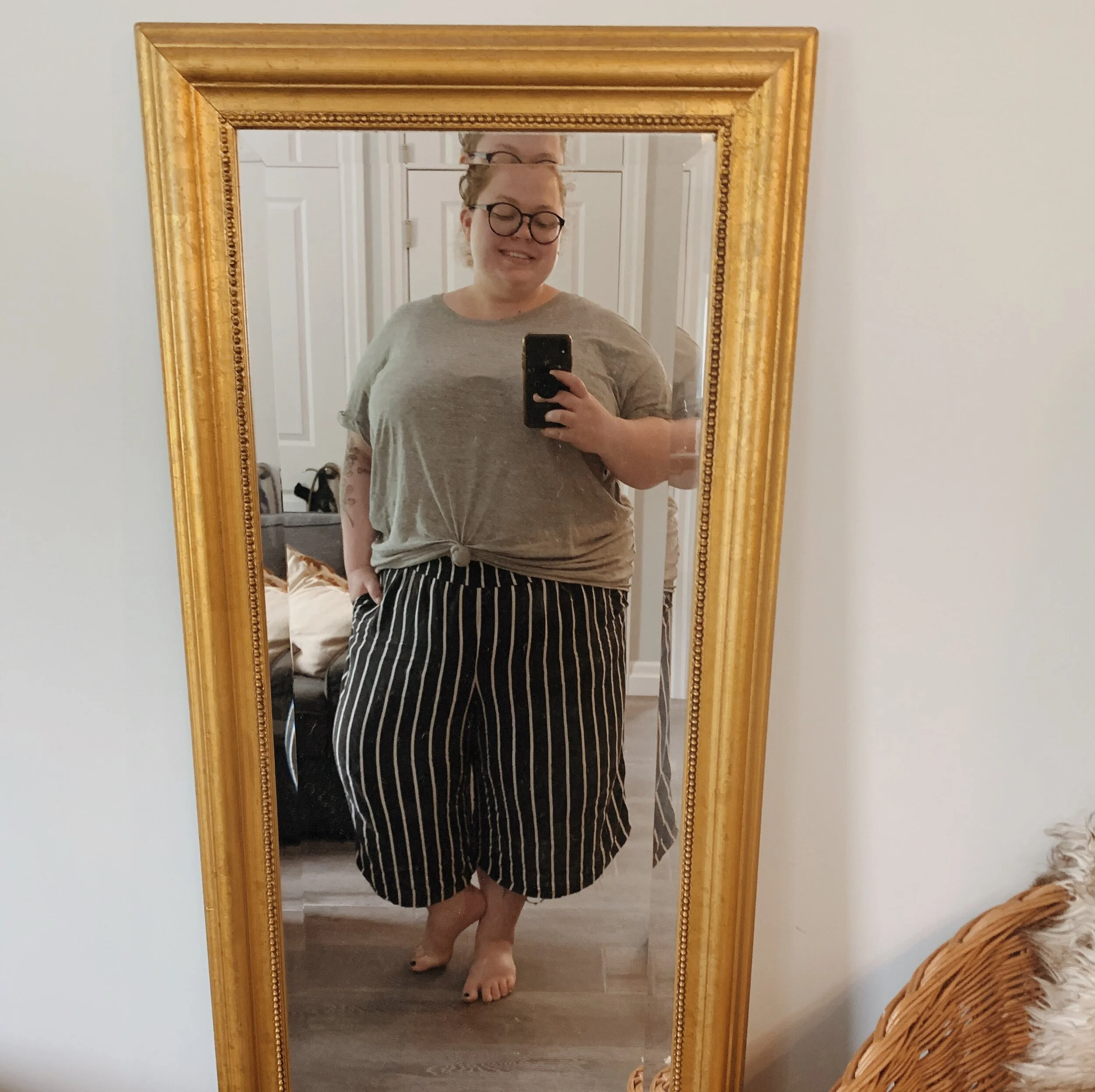
My relationship with the entire world of fashion has always been complicated. Until adulthood, I never saw myself represented in fashion at all, and body insecurities left me struggling to put together the outfits I so sorely wanted. Even as a much smaller plus-size person, I couldn’t shop at most of the stores my friends could, and I only ever brought accessories to the ever-popular clothing swaps.
My obsession with fashion is also fuelled by a deep-seated need to define my image. Plus-sized people, and plus-sized women in particular, face significant pressure to not look “sloppy”. Keep in mind, what is considered sloppy on a thinner woman is vastly different from a plus-sized woman. Because of this, having a diverse (and hopefully, stylish) wardrobe has become a survival mechanism for me in a world that already does not want me to look the way I am. I know I’m not alone in this experience.
Thrifting is often touted as the more accessible alternative to purchasing from ethical brands – the “reuse” in “reduce, reuse, recycle”. YES BITCH, let’s up-cycle some vintage clothes. But unfortunately (are we sensing a trend here?), thrifted clothing is largely unavailable in my size.
Even as a much smaller teenager, friends and I would spend full days exploring the vintage shops of Kensington Market, and I would come home with just a Backstreet Boys t-shirt. Obviously, I have no regrets–that’s a killer piece–but the thrill of thrifting is not part of my life. When one of my best friends showed up to prom in the thrifted dress of my dreams, I only remembered sifting through racks of poufy prom dresses and finding nothing close to my size.
I see friends and ethical fashion influencers taking weird and wild items of thrifted clothing and tying them artistically in such a way that they look uniquely cool. There’s something to be said for being crafty. But again, the threat of criticism weighs on me, and I can’t bare the risk of being seen as sloppy (although I know some will see me as such either way).
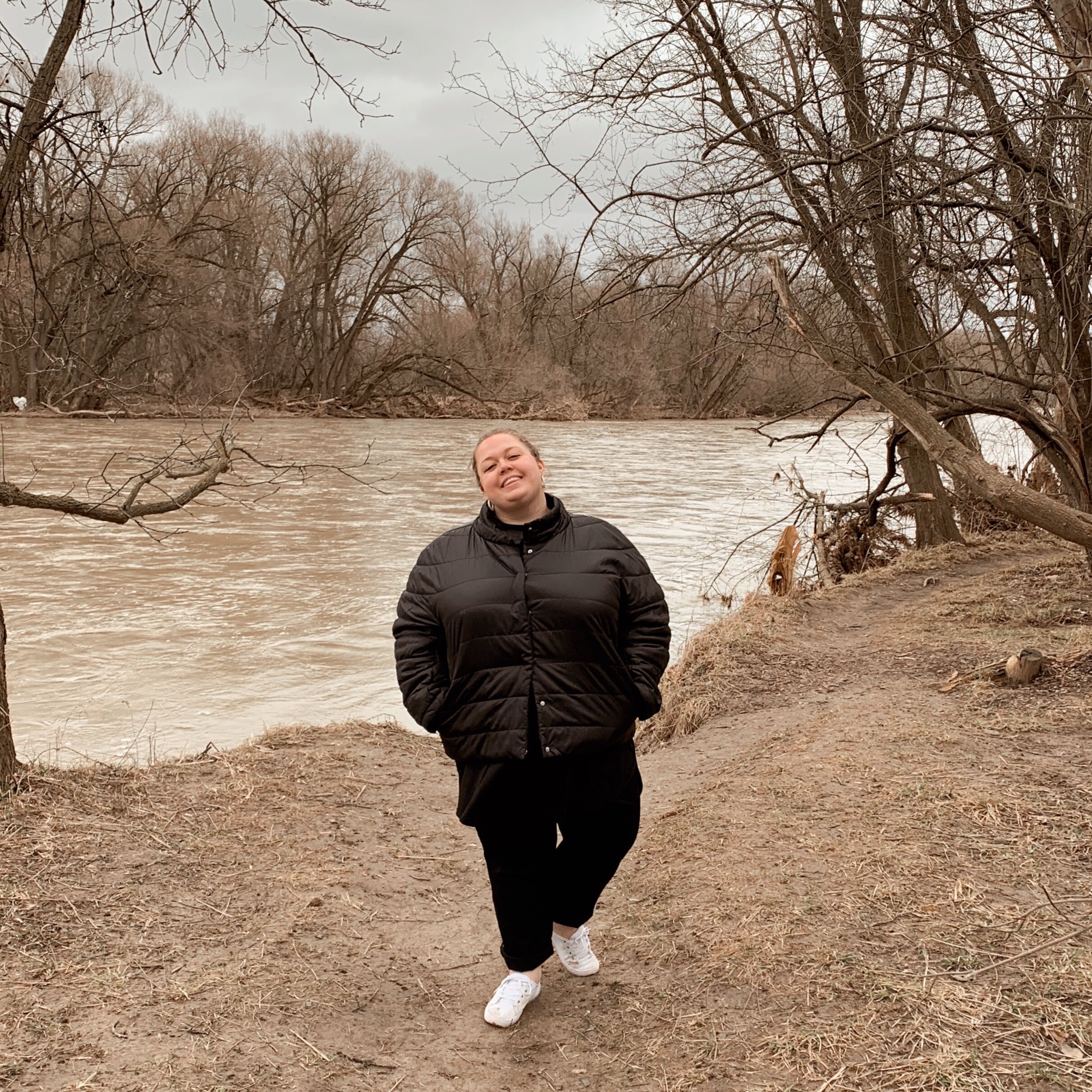
So where are we left? After faced with post after post about sustainable fashion as the only way forward, I’ve felt abandoned. I want to scream this laundry list of obstacles that leave me so far behind in this new world of fashion, a space that I am openly critical of and looking to improve.
It turns out, I’m looking for some nuance. Just a little bit. And even in the last week, I’ve seen brilliant conversations about ethical fashion that have made me hopeful that there is space for me to take steps toward a more sustainable wardrobe.
I’m not going to lie, my gut reaction to many of these conversations in the past has been that they reek of privilege, and don’t address the issues that thousands of people face. I’ve found them distinctly all or nothing.
Creators like Marielle Elizabeth are opening up that world for me. She has dedicated significant time and energy into compiling a list of ethically made brands that extend past a size 18, and shares small and sustainable steps that can up to much larger change. Ahh, there’s that nuance I was looking for.
I will remain skeptical of conversations that don’t address the serious barriers to ethical and sustainable fashion. Fast fashion is, first and foremost, a capitalist invention with roots that extend far beyond individual shopping habits, and our habits don’t exist in a vacuum. Plus-size women are too often left out of the equation, despite their market in the US alone being valued at approximately $20 billion. At the same time, we are often held to higher standards.
While I look forward to seeing how these intersecting conversations evolve, I’ll be thinking critically about my own consumerism, and how I can change my relationship with fashion. My first steps? Learning how to repair and alter clothing, find more ways to wear each item of clothing, and buying less overall. Moving forward, I’d like to invest in a couple of roomy and versatile pieces that I can see carrying me through more seasons of my life. Let’s take this one step at a time.