This Garden Bed Is My School and These Blighted Tomatoes Are My Teachers
I shocked many people in my life when I became an avid gardener immediately upon the purchase of a home with a backyard. Until that point, I had been famous for my black thumb of death, allowing plants in my living quarters to brave the limited care a scattered and sometimes neglectful couple in their twenties had to offer. Only the bravest would survive. For the most part, only a resilient palm has made it through the last decade consistently by my side.
When we left Toronto for my hometown, we moved into the upstairs apartment of a house in a very green neighbourhood (both in politics and in practice). Many of our neighbours spent their time tending their gardens, and in turn we got to know them and saw them socializing with their community. I tend to be avoidant of unplanned social interactions, but I still miss the warmth and comradery of that neighbourhood seven years later.
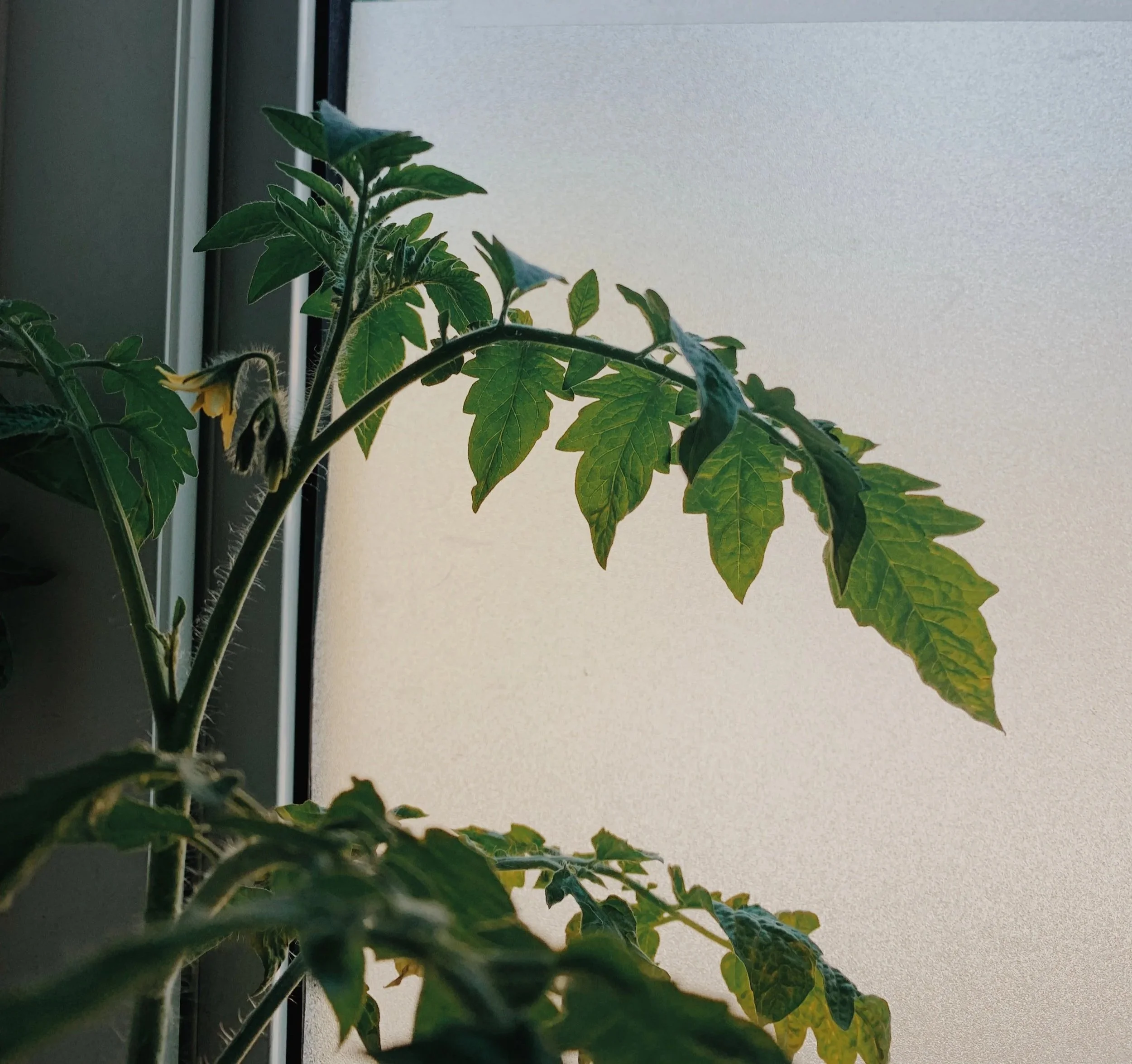
Ill-fated 2021 tomato baby
The neighbours to the west of us had an incredible garden, every square inch filled with native flowers and plants. They turned their small, downtown lot into a lush urban farm, teeming with fruits and vegetables. Raspberries grew through the fence beside our garage. Some days we would come home from work and find a zucchini in our mailbox. We were delighted.
One summer they gave me an extra tomato seedling to grow for myself. I was thrilled and put it in our kitchen window along with some herbs. When it became evident that this was not enough light or air for the seedling to grow, my mom and I spent some time on her patio getting our vegetal goods properly potted for the season. I moved my five pots to my shared, barren backyard, and prepared myself for a summer of domesticity and produce.
Did you know that vegetable plants often require daily watering?
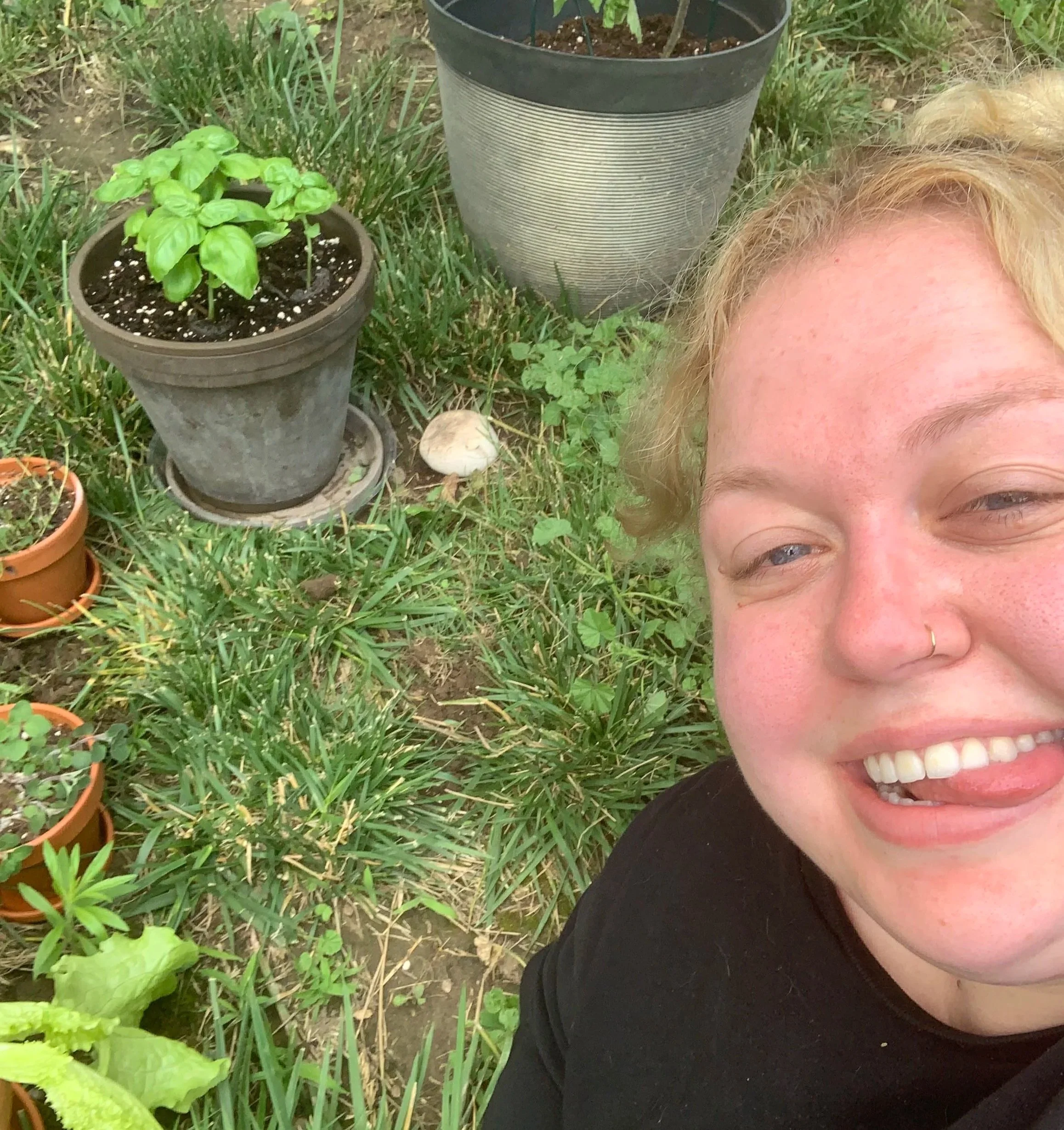
The very picture of domesticity
This was, unfortunately, going to be an enormous hurdle for me. I would have to fill up a watering can with water, walk it downstairs, take it down the driveway to the back of the house, water my plants, and then take the watering can back upstairs. This would also risk social interactions with any number of delightful neighbours. How could I possibly be expected to face these insurmountable obstacles on a daily basis?
A simple answer: this could not be expected of me. I did not do it. I made meager attempts to water my miniature garden, took a couple small samplings from the garden early on (some leaves of lettuce and a smattering of herbs), and considered that as good as it would get. The plants withered in the backyard, haunting ghosts of my early summer ambition.
Fast forward to late the following winter. A surprise inheritance had given Max and I the means to do the otherwise unachievable – own a home. Our first spring and summer in the house soon approaching, I became planning my dream vegetable garden like it was a full-time job. This is not hyperbole. I was spending hours per day, every day of the week, building out an extensive spreadsheet and garden plan.
In one tab, I had created a full map of our deck and backyard, accurate to the square foot.
In another, I had listed approximately 50 varieties of herbs, fruits, and vegetables I planned to grow.
I then went through and researched the specifications for each plant. How much light did it need? Soil conditions? How many plants per square foot? Which shouldn’t be planted next to each other? Which worked well together? How many seeds should be planted? Which would be better to purchase as seedlings?
This information was then turned into a square foot by square foot plan of where each crop would be grown in the garden, a schedule of when each item needed to be purchased and planted, a detailed description of which seeds should first be sewn indoors, links with information on the care and upkeep of each plant.
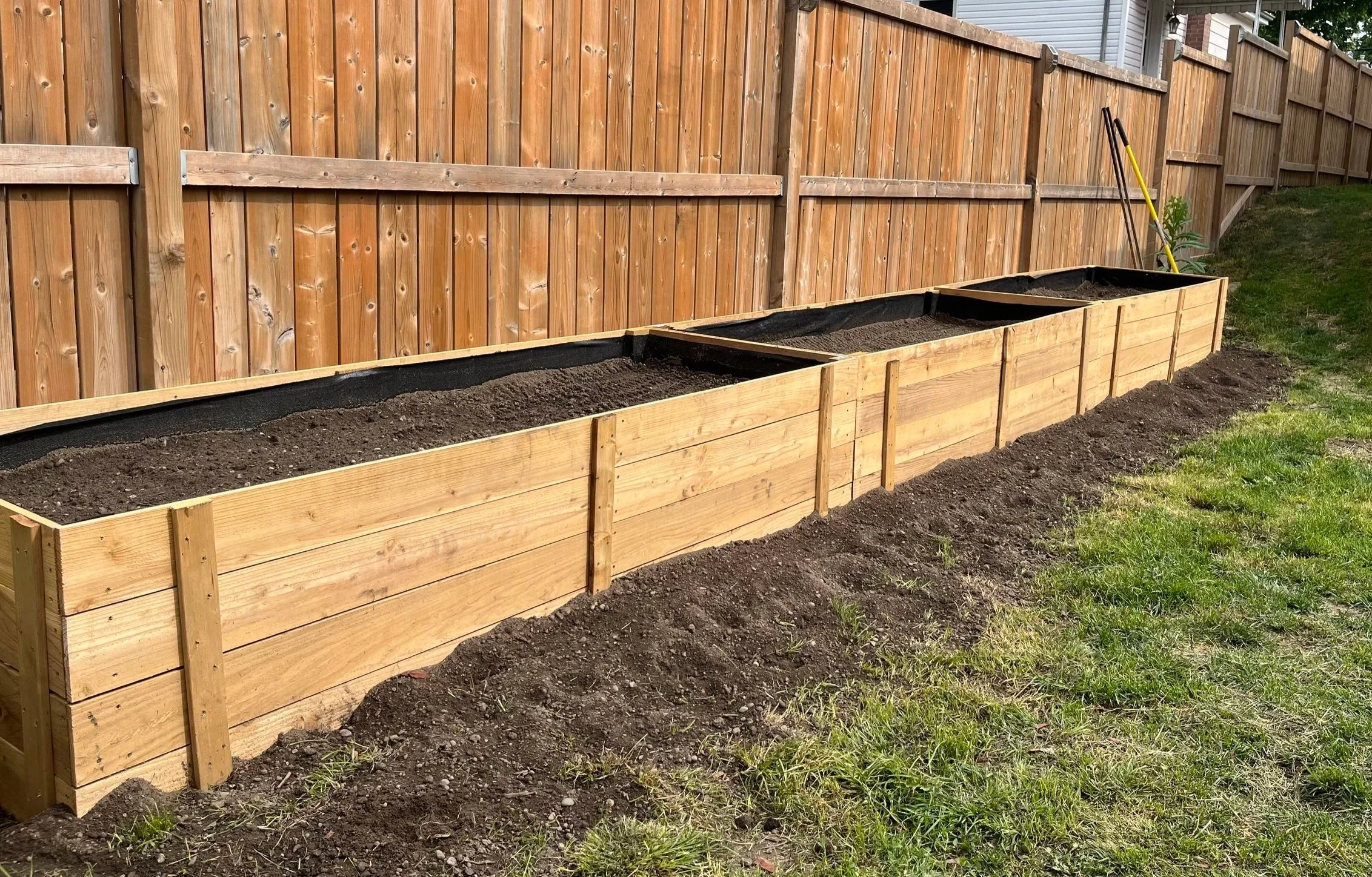
Everyone say “thank you, Max!”
We had one raised garden bed at the foot of the deck, and I asked Max to build me three more. I researched the most cost-effective methods to build raised garden beds. Max worked his carpentry magic. I used an army shovel with a built-in pickaxe to till old soil and remove deeply entrenched weeds from the preexisting bed. We filled the bottoms of the new ones with organic refuse, and I ordered bulk soil to be dropped in our driveway by a local garden centre. We picked up free compost from the nearby dump. By the time June rolled around, we had four fully functional raised garden beds waiting for me to fill them. The total vegetable gardening space in our small backyard came out to 105 square feet.
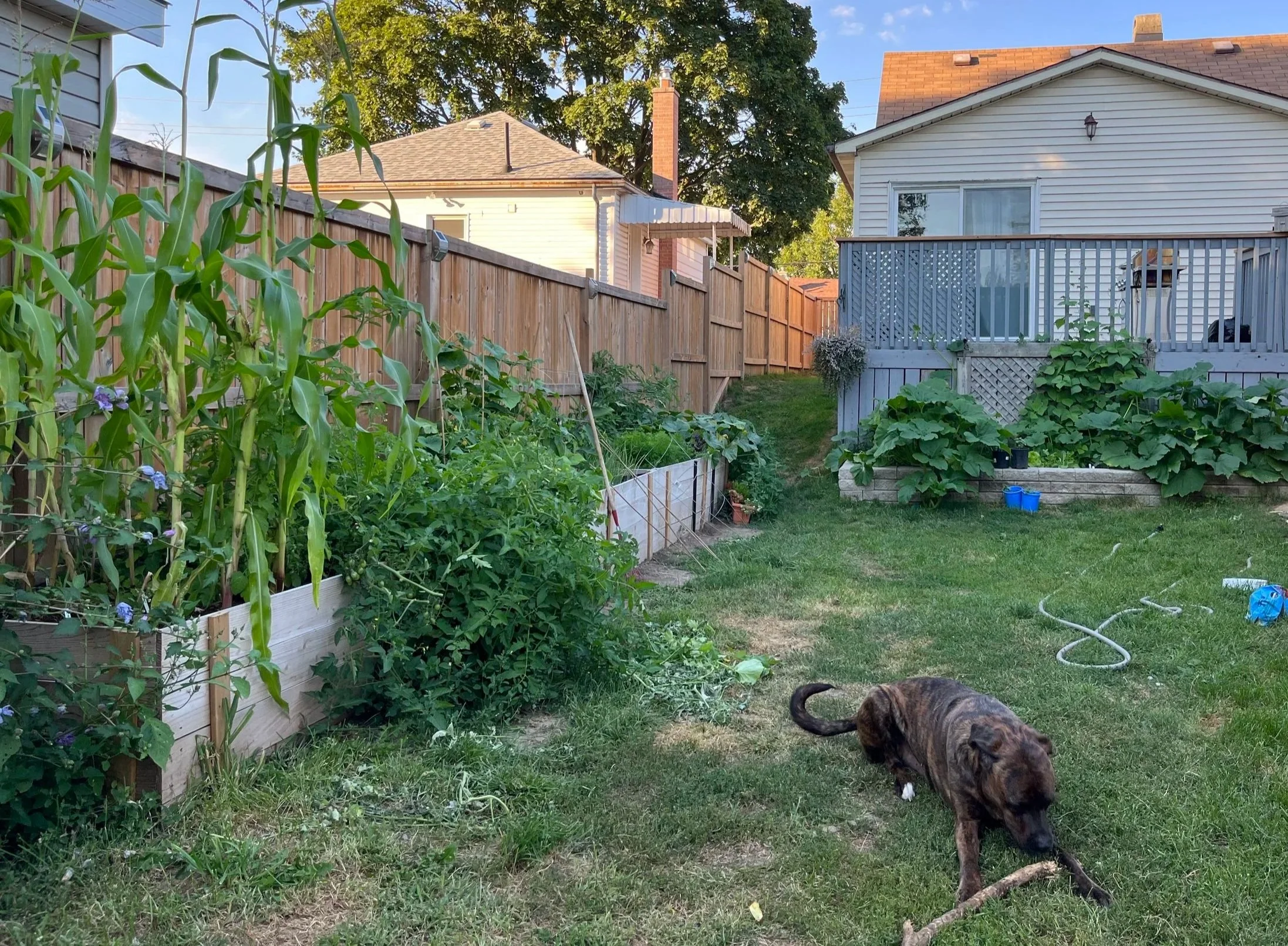
Please observe the sheer mass of unsupported tomatoes on display
I frequented every garden centre within a 40-kilometer radius from our home. I toiled in hot sun (my Achilles heel), carefully measuring square feet and planting seeds and seedlings in tidy rows. When the work was still not done and the season seemed too deep, I solicited my mom’s support in completing the project. Laptop set up on an unbalanced folding table, I referred to it foot by foot, scrolling with soil-coated fingertips in between planting. I barked harried and haphazard requests at my mom as she pushed us forward. And finally, we were ready to grow.
The garden that year captivated every part of me. In the privacy of my own backyard, I would stand in the morning damp and shower every part of my garden, watching the thirsty soil drink readily. Nearly every day I would monitor each growth and delight in their speed. The tomatoes took this as a personal challenge and grew into an unmanageable mass at a rate I could not intervene with.
Have you heard that tomatoes are a vine? And they act accordingly! The gall. Once they grew into a mound of greenery so astonishing that the tomatoes themselves were barely visible, I spent some time unravelling branches and hacking away at unnecessary limbs until the plants made some sort of sense again.
The tomatoes were abundant and so were the rest of my plants. That first year I discovered my thumb could turn green after all. I was enamoured with my ability to grow corn, pumpkins, potatoes, cucumbers, peppers, carrots, and countless others. Every ripe vegetable harvested felt like a miracle, some covenant with the earth.
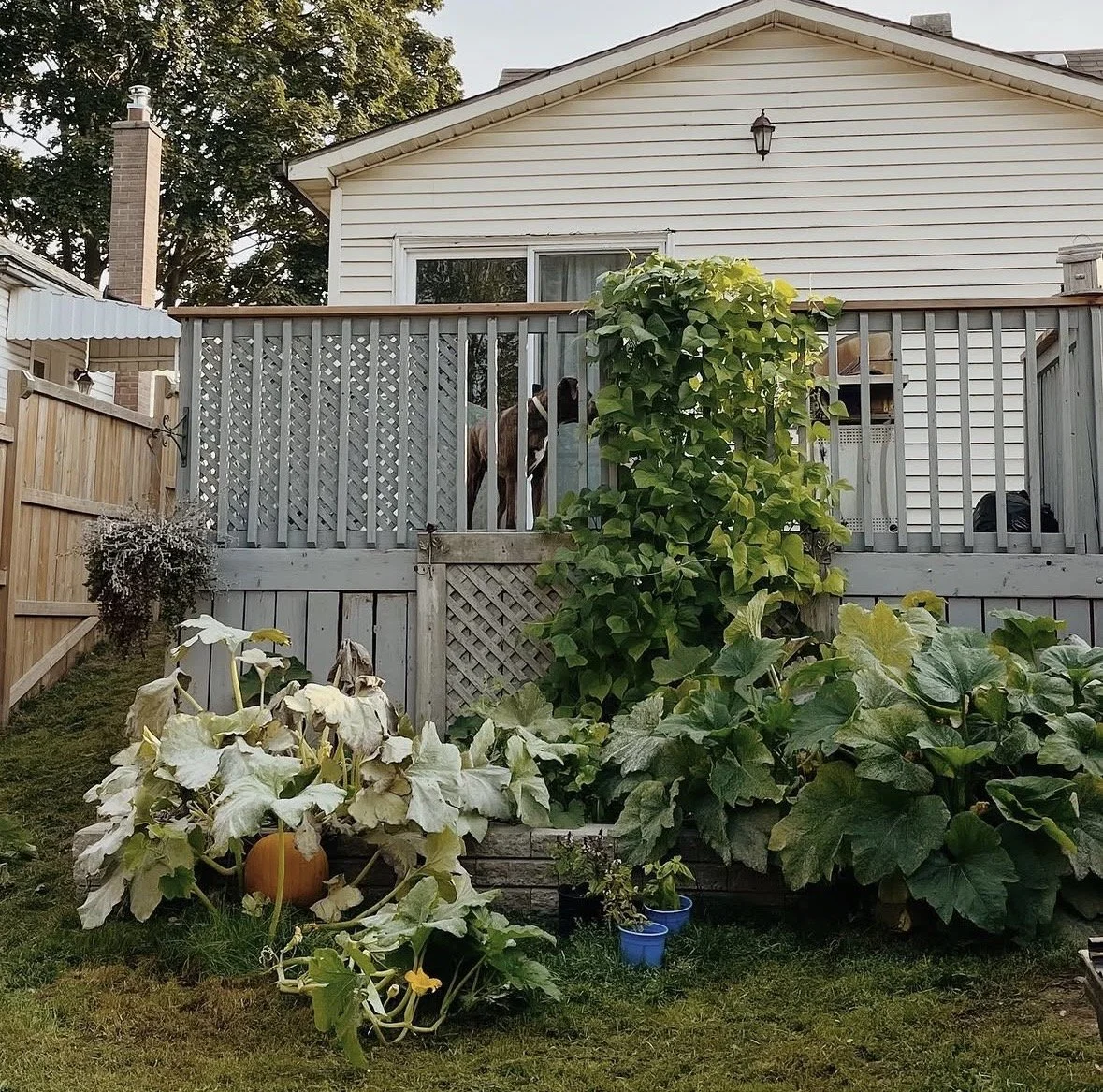
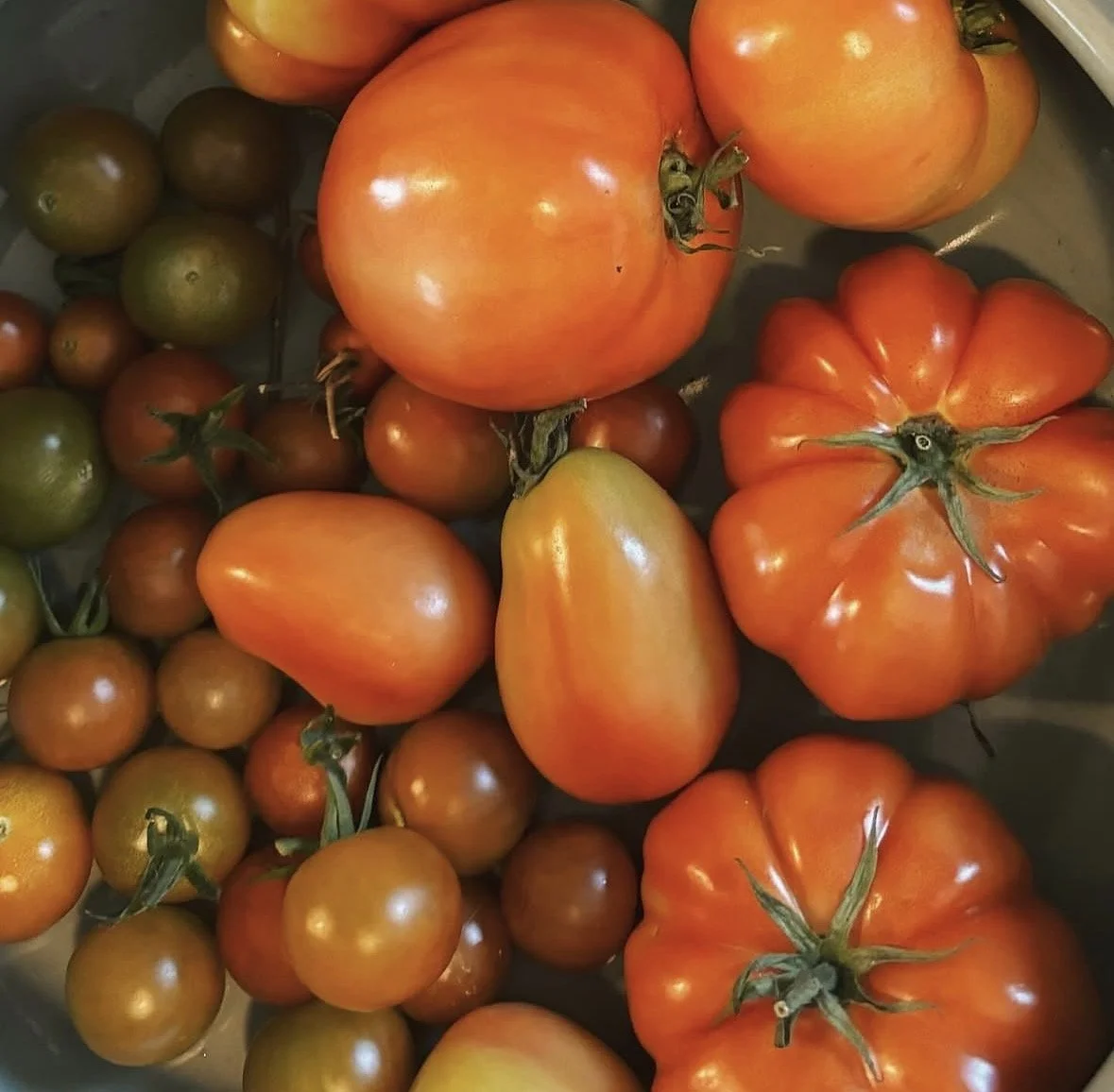

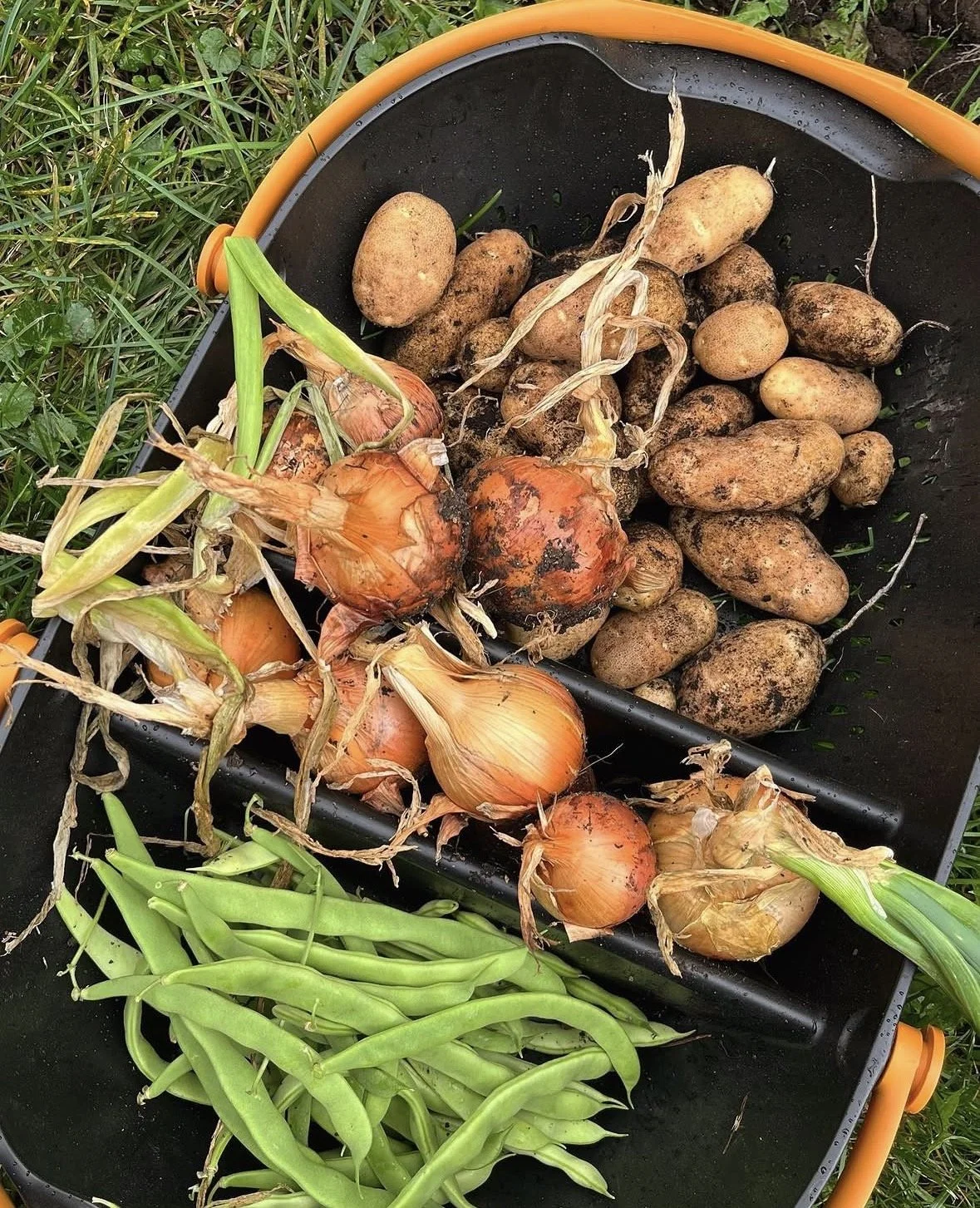
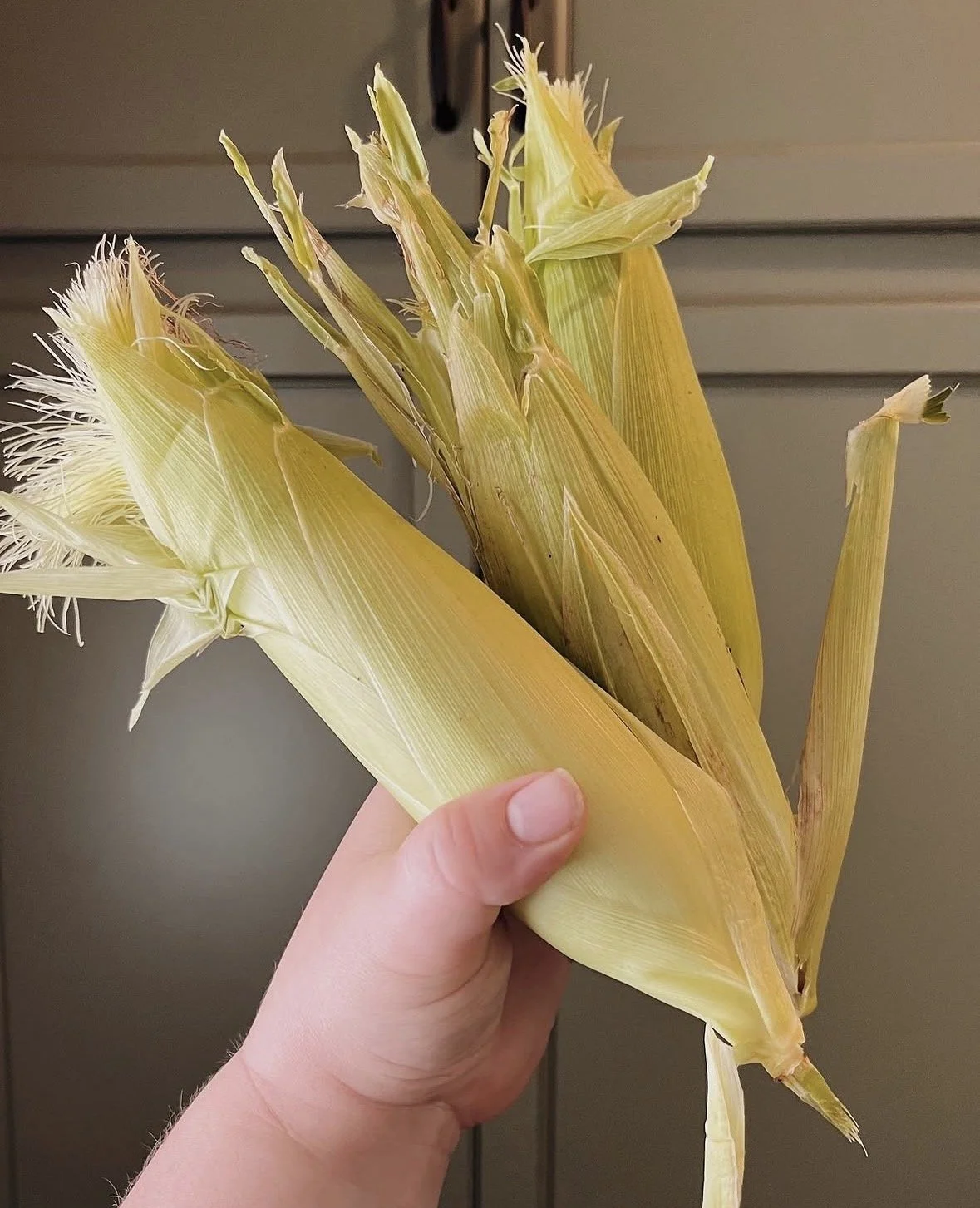
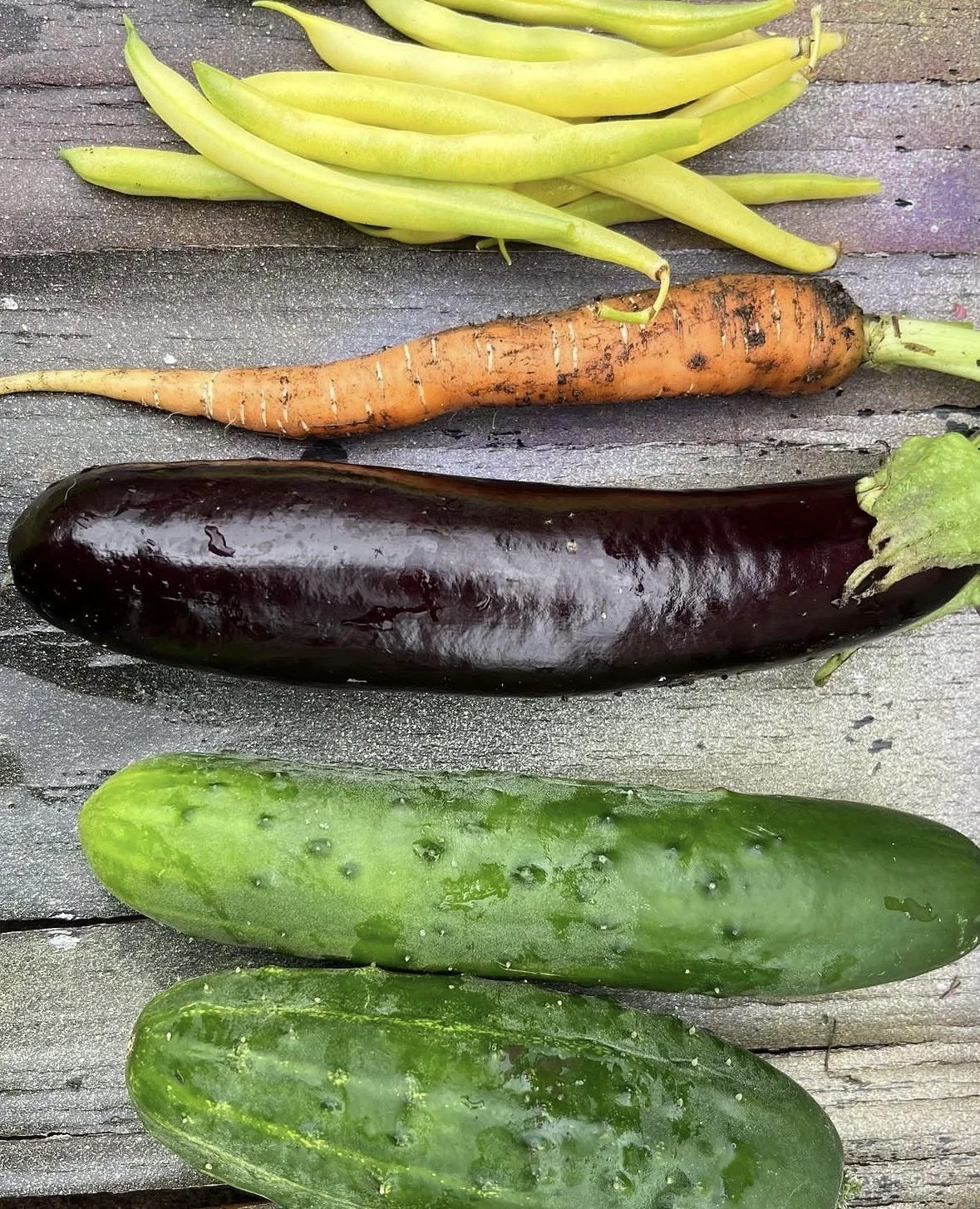
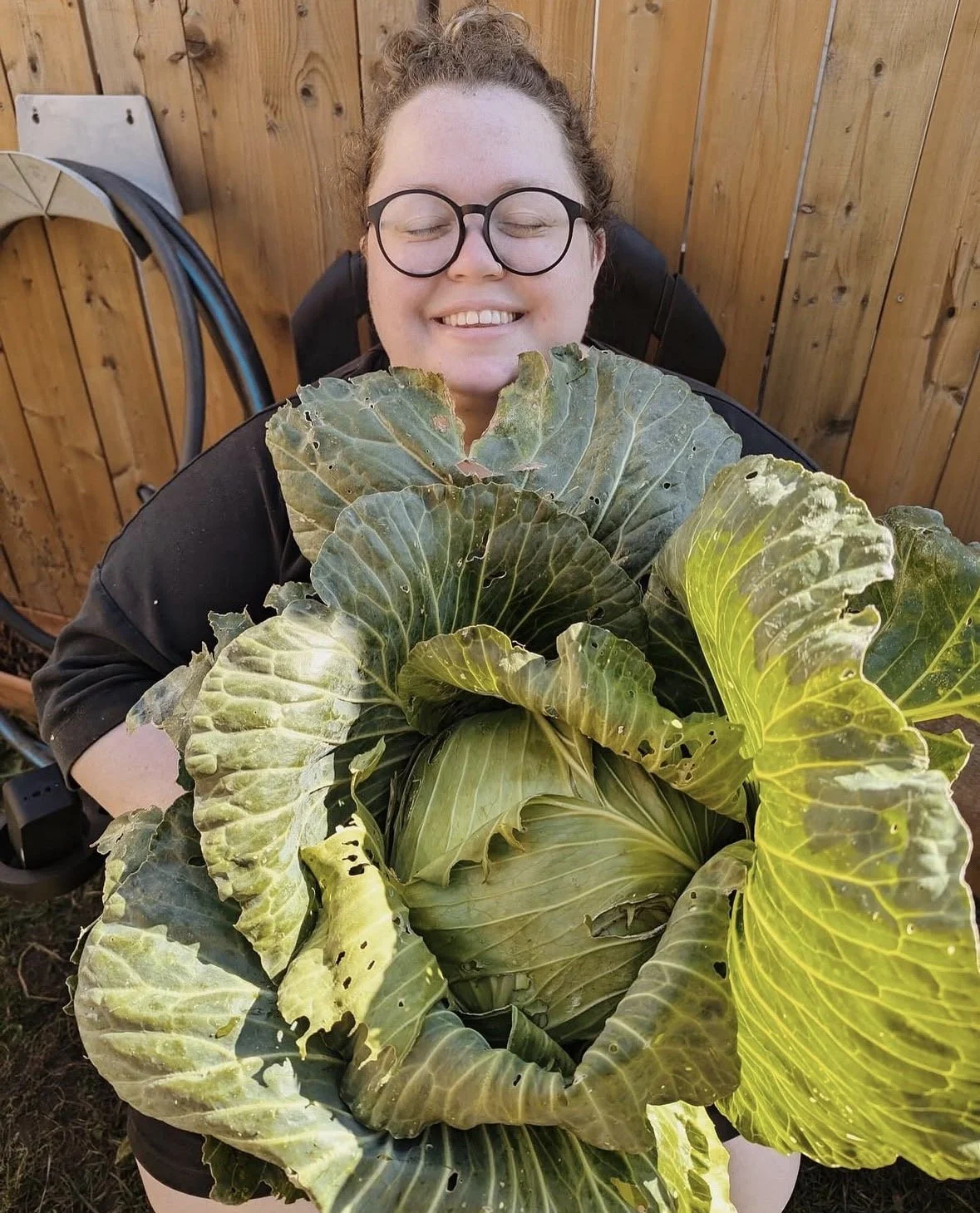
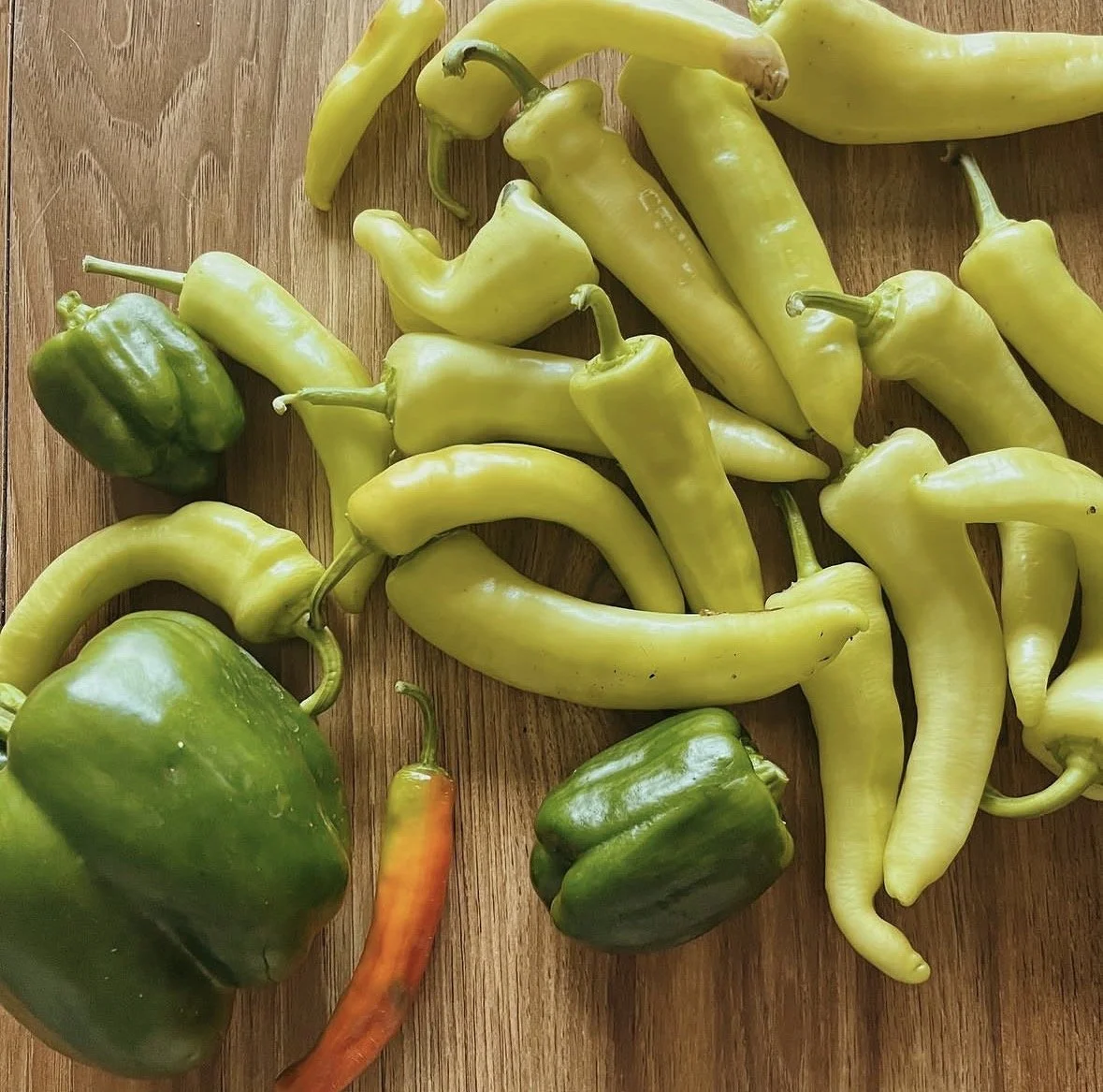
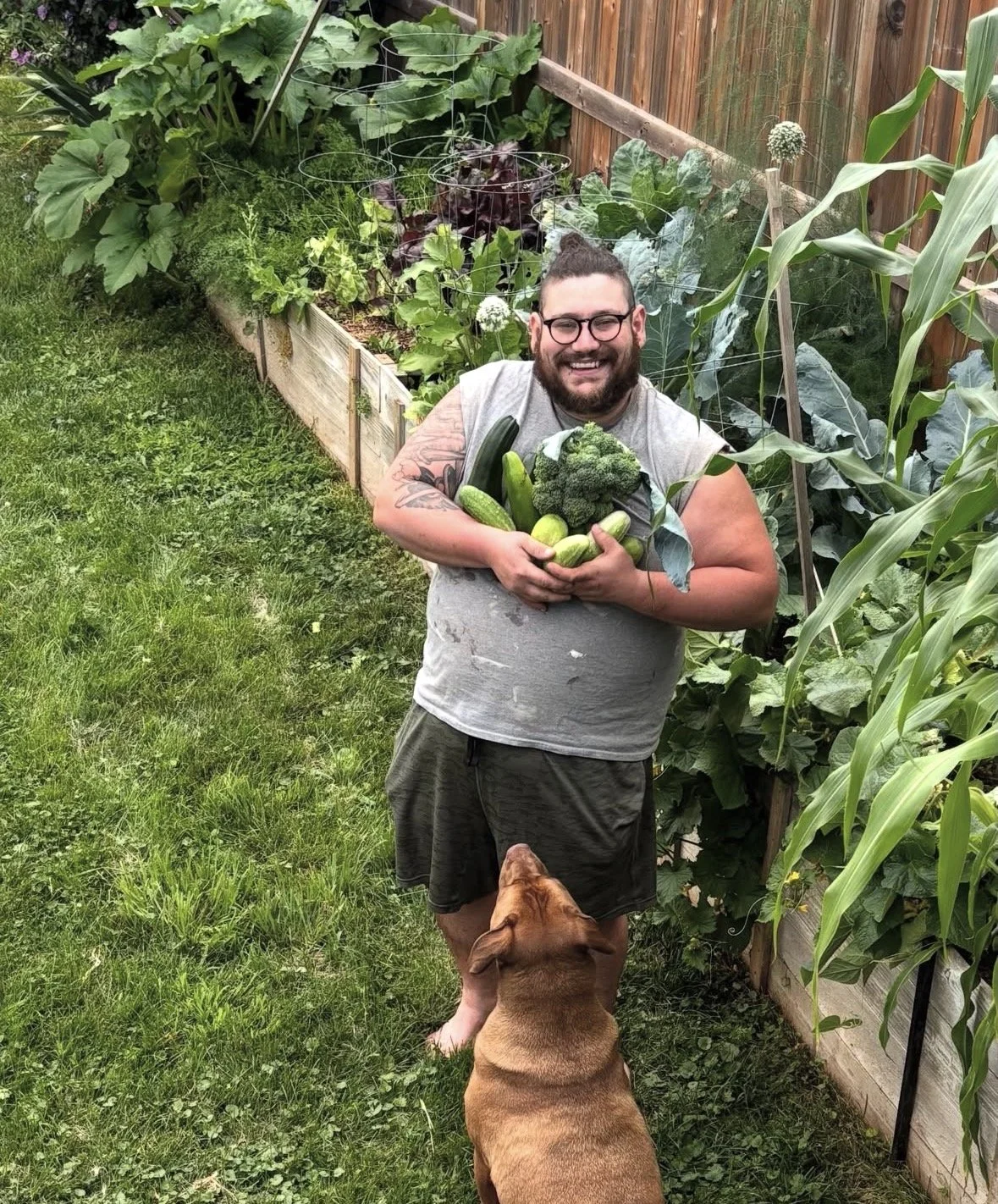
The next year I walked into garden planning with my confidence high. I made some changes to what we were growing based on what we wanted more of and what we had too much of. Everything else I kept the same – if it ain’t broke, and all that. I plugged all the details into my garden planner and went to it.
When you’re growing seedlings or buying plants from a store you always end up with extra. You need to grow more than you intend to harvest, as some seedlings will inevitably fail. You need to buy more than you intend to plant, because the store sells their cheapest seedlings in batches of various sizes that my planning does not account for. I wasn’t fazed. I had this covenant with the earth (maybe you’ve heard of it), so I knew I could just squeeze the extras into my already laid out plan.
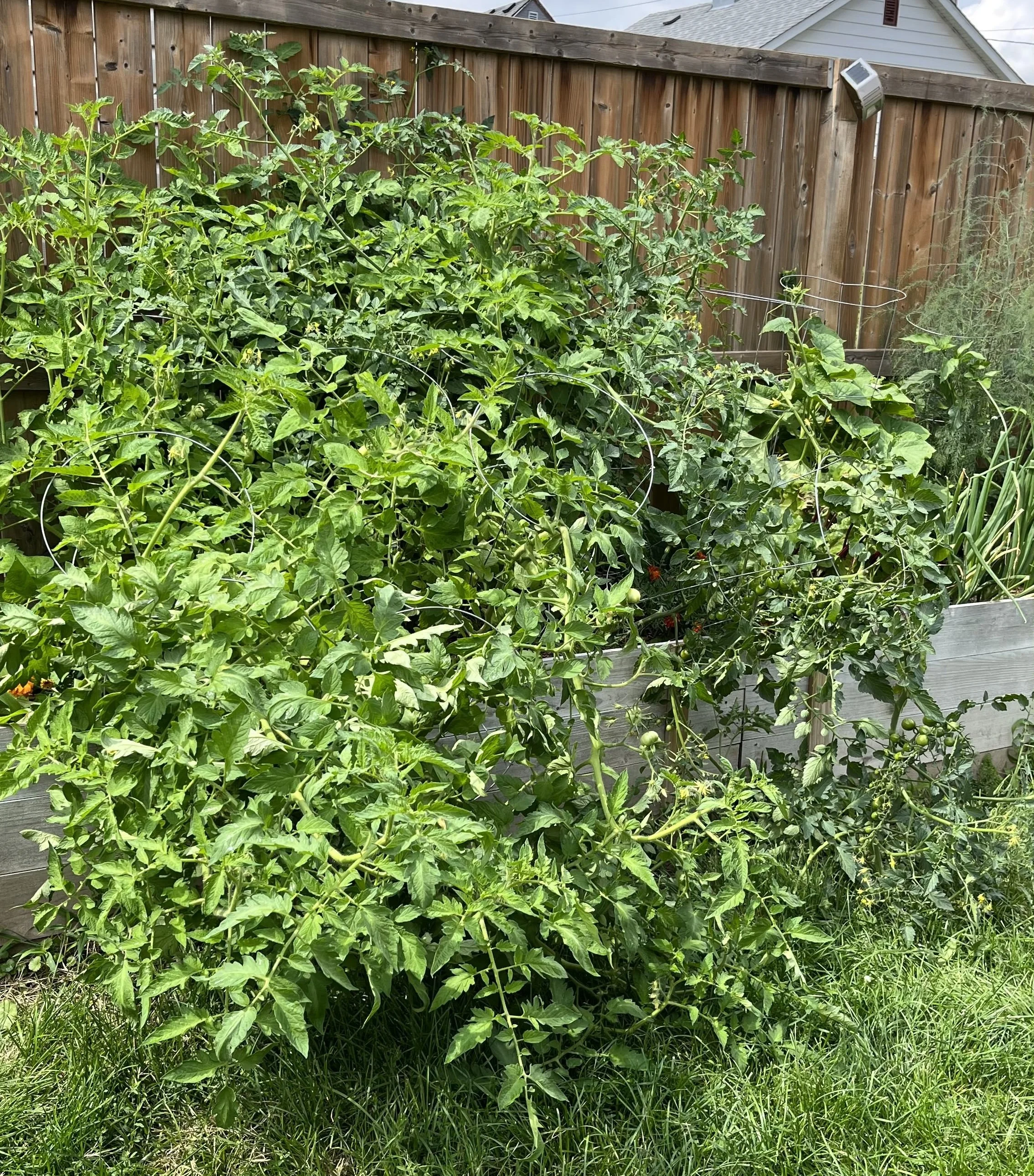
Behold, the jungle
Reader, you may or may not be guessing where this is going. It turns out that my meticulous learning about how many plants could realistically thrive in a square foot was fuelled by reason and lifetimes of other people’s farm wisdom. The earth had not actually anointed me as a gardening prodigy the likes of which had never been seen until the year 2022.
The most obvious place this showed up was in my bed of tomatoes. Once again, they grew at the speed of light. I tried to support them with cheap, flimsy cages, but the cages did little to support their growth. I was working full-time for the first time in a couple years, and we had lost our beloved dog, Otis, that April. I was overwhelmed by the prospect of meticulously pruning all the excess branches, suckers and all. The year prior I had made the mess work for me, and I was going to make the mess work again. Who cares about a mess, as long as it bears fruit.
This mentality worked for me until one week in early August, when I began to notice some yellowing branches. I guessed that the plants must have been drying out in the summer heat, so I made sure to water them extra and only during cooler hours of the day. I continued picking tomatoes and started noticing that some had dark spots on them. I had experienced something called blossom end rot with a couple of my peppers, which can be caused by inconsistent watering. Could this be the issue? I decided to maintain my current consistency of heavy hydration and take the loss of some tomatoes during the transition period.
Days progressed, and more and more tomatoes began spoiling, leaves dying en masse. It became clear to me that this was a separate issue that needed to be addressed. I tucked in and learned that my poor tomatoes were certainly suffering from blight, a rapid-spreading disease that can take down an entire crop with great speed. The jungled swath of vines I had failed to maintain had created the perfect environment for it to evolve.
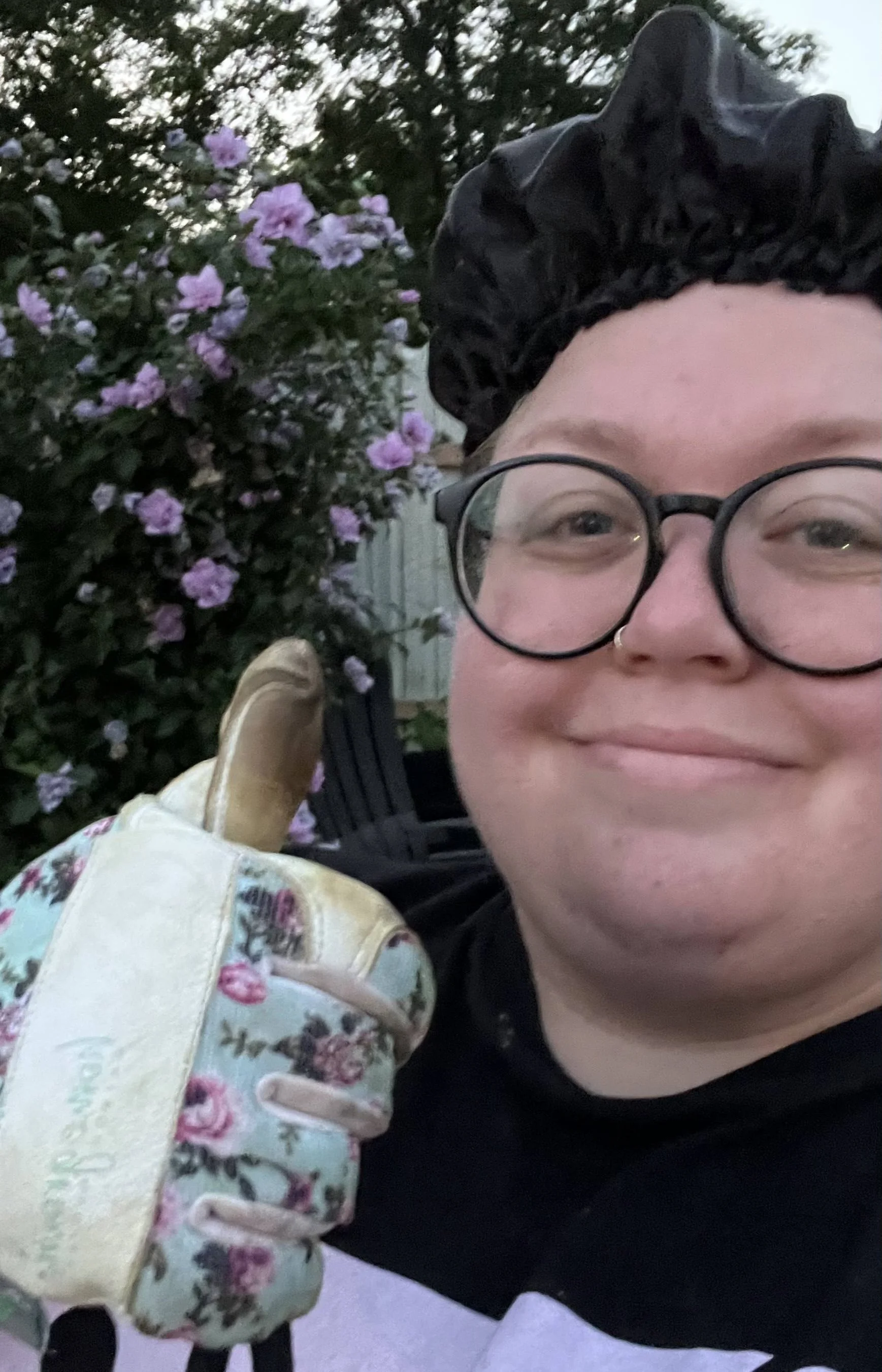
Timeless beauty
With devastation, I tried to see if I could save them at any cost. I approached the throng of greenery with trepidation. I could already feel the earwigs and spiders that would surely be crawling through my hair as I ducked my head through the mass to work. I went inside, grabbed a chair and a shower cap, and went at it.
Over the next two evenings, I came home from my job and painstakingly considered every part of each plant. A questionable brown spot on a leaf would have me ruthlessly hacking off whole branches. I collected any unspoiled green tomatoes who fell casualty to the takedown, hoping that they might still ripen indoors.
I worked piece by piece, unravelling and slicing stems. My body smelled strongly of that intensely herbal, tomato leaf scent. My forearms were dyed a vivid green and crusted with dirt. The process became methodical and almost meditative. The sun set around me until there was not enough light for me to continue. The second night brought the same, until only a pathetic stem from each plant remained, supporting the few unspoiled tomatoes left on healthy-looking vines and tied to each cage with a hope and a prayer. The ground revealed the massacre that had occurred, mountains of greenery surely staring back up at me in judgment and betrayal.
Those spindly plants did not survive. I had given them the best I could in the final stretch. I was upset by the outcome, and even cried. My harvest of tomatoes the year prior had been an incredible boon, and I couldn’t help but kick myself for attempting to ignore the problem out of existence until it was too late. Adding to the devastation, this had been the year of our Lord “Tomato Girl Summer 2023,” and suddenly I had less tomatoes than ever.
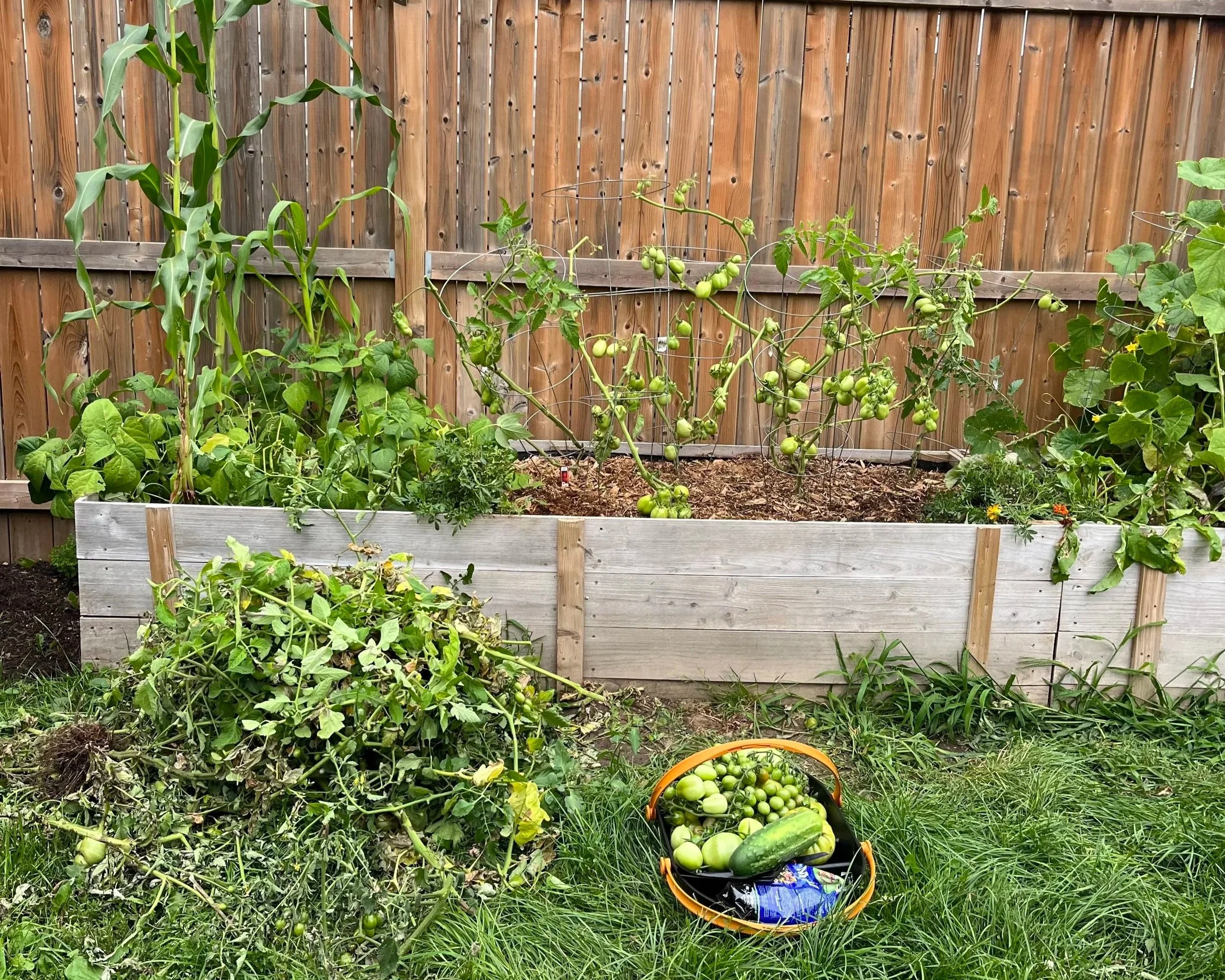
The aftermath
The irony was not lost on me that the time I couldn’t afford earlier in the season had been spent in August instead, sitting in the garden with a shower cap on my head as the sun set around me on those humid summer nights. Once I got over the initial shock, I quickly accepted the experience for what it gave me. Time outside, working with my hands, connecting with the earth. Maybe this was the covenant after all.
That fall I began reading the renowned Braiding Sweetgrass by Robin Wall Kimmerer. One of the stories captivated me so wholly it nearly stopped my breath. Kimmerer describes how she used to pick wild strawberries for a shortcake for her father. She reflected that the strawberries were not a gift from her, but rather from the earth. Her gift, in turn, was her time spent harvesting the strawberries and sometimes tending to the land where they grew.
The thought felt at once humbling and deeply true. My gift the first year had been my time spent planning and caring for the garden, learning what the plants needed and how they thrived. It did not go perfectly, but in turn the earth gifted me an abundance of fruit. The second year I felt that I could not spend much time, which was reflected directly in the health of my tomatoes. But the garden has its ways – where the earth couldn’t offer me fruit, it gifted me with time instead.
I didn’t miraculously become a relentless perfectionist of a garden tender after that year. I don’t always have the energy available that a premier garden demands, but I have a much deeper appreciation for the relationship and reciprocity that comes with tending the earth. And perhaps most importantly, R.I.P. to the blighted tomatoes and countless houseplants who have fallen due to my neglect. I will always carry you with me.